
Sika
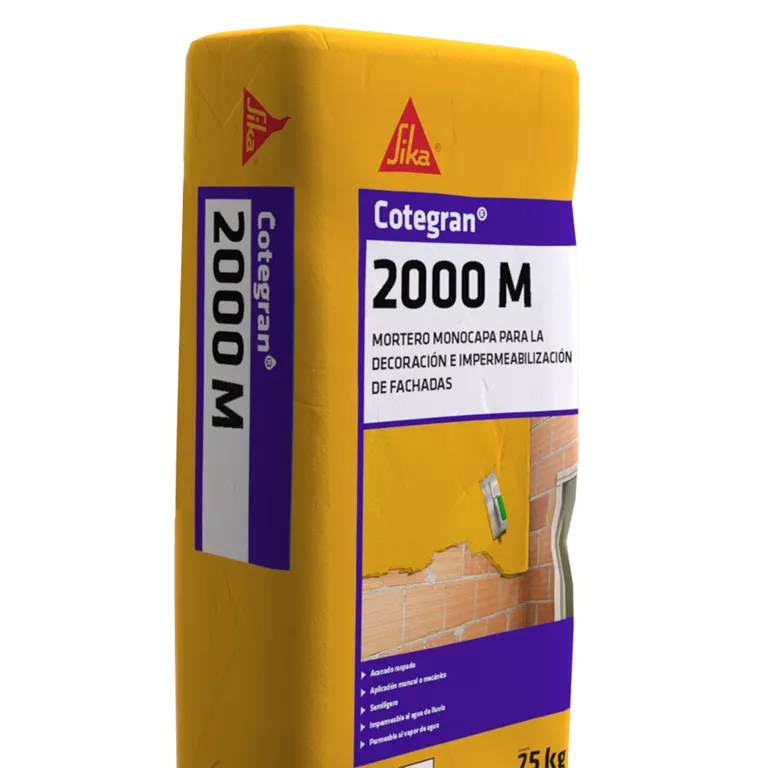
Cotegran 2000 M
A waterproof, decorative single-coat mortar for facades, which can be applied by hand or by spraying.
View product
A single-component, thixotropic, microfiber-reinforced cementitious mortar for repairing and re-profiling concrete, stone, and brick in layers ranging from 5 to 20 mm.
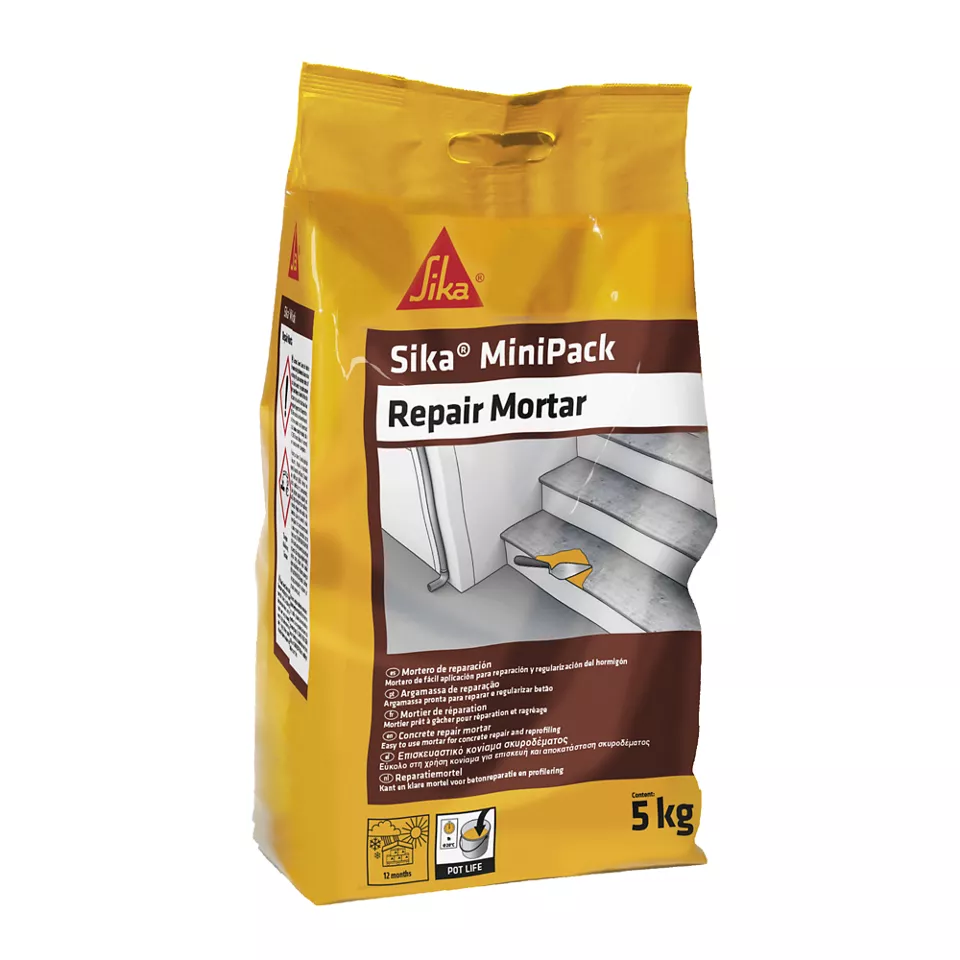
Sika® MiniPack Repair Mortar is a single-component cementitious repair mortar available in small packages and ready for use simply by adding water. It is specifically designed for spot repairs, re-profiling concrete elements, and restoring damaged surfaces, both horizontal and vertical.
Its thixotropic consistency allows it to be applied to walls, columns, edges, and other areas where a mortar that is too fluid would tend to sag.
Sika specifically highlights its ease of application even on ceilings, which expands its usefulness for small, localized repairs in hard-to-reach areas.
Portland cement;
silica fume;
selected aggregates;
additives;
and synthetic microfibers.
Silica fume helps create a compact cementitious matrix, while the fibers improve the mortar’s performance during application and curing.
The maximum aggregate size is approximately 2 mm, suitable for the anticipated repair thicknesses.
small concrete repairs;
repairing balcony edges;
repairing column edges;
surface re-profiling;
rehabilitation of deteriorated areas;
vertical surfaces;
horizontal surfaces;
and certain repairs on compatible stone or brick.
It exhibits good adhesion to many common construction materials, especially concrete, stone, and brick.
Sika® MiniPack Repair Mortar is CE-marked as a product for repairing concrete structures in accordance with UNE-EN 1504-3:2005.
This distinguishes it from generic masonry mortar: it is specifically formulated for concrete repair applications.
Its characteristics include good dimensional stability and a coefficient of thermal expansion and modulus of elasticity similar to those of concrete.
Compressive strength greater than 40 N/mm².
Flexural strength greater than 7 N/mm².
These performance characteristics allow it to be used in repairs with requirements considerably greater than those of a simple surface patching compound.
This is especially important when evaluating the repair. A very small surface loss may require a different thin-coat material, while a very deep repair may need to be carried out in layers or addressed with another specific mortar.
The choice should be based on the depth, extent, and function of the element.
This range must be adhered to, and adding additional water to artificially thin the mortar should be avoided.
An excessive amount of water can alter the consistency, reduce strength, and increase shrinkage or porosity after hardening.
For smaller quantities, the amount indicated on the packaging or technical data sheet must be proportionally adjusted.
Sika® MiniPack Repair Mortar can be prepared using a low-speed electric mixer (less than approximately 500 rpm) or manually when working with small quantities.
Pour the appropriate amount of water into a clean container.
Gradually add the powder.
Mix for approximately 2–3 minutes.
Continue until a completely homogeneous, lump-free mixture is obtained.
It is not advisable to add all the powder first and then try to correct the consistency by indiscriminately adding water.
For a repair to be durable, the substrate must be sound, strong, and clean.
weak or crumbling concrete;
dust;
oils;
greases;
grout;
contaminants;
loose particles;
and any material that may prevent adhesion.
Deteriorated areas must be cleaned out until a sound substrate is reached.
When the repair involves corroded reinforcing bars, the treatment of the steel and the overall repair strategy must be carried out in accordance with the appropriate concrete repair system; MiniPack Repair Mortar does not automatically replace all the necessary steps in a structural repair.
For small repairs, it can be applied using traditional masonry techniques.
The mortar is applied with a trowel, pressing it firmly against the surface to ensure contact with the substrate.
When the system requires a bonding layer, Sika specifies that the mortar must be applied while the bonding layer is still tacky, following the “wet-on-wet” method.
Proper bonding to the substrate is essential, especially for vertical and edge repairs.
Although its MiniPack format is specifically designed for smaller-scale projects, Sika also allows for application using standard spray equipment when working on larger surfaces.
This reflects that the formulation is not simply a DIY repair product, but a technically formulated mortar for professional applications.
Once the mortar begins to set, the finish can be applied using:
a lightly dampened sponge;
a wooden trowel;
or an expanded polystyrene trowel.
The timing of the finishing is important: working too soon can displace material, while working too late makes it difficult to achieve a uniform texture.
The finish must also be adapted to the planned subsequent coating.
At approximately 20 °C, the mixture remains workable for about:
1 hour.
Temperature significantly affects this time. In warm conditions, the mortar may lose workability more quickly.
Do not add water later to “revive” a mixture that has already begun to set.
Do not apply to frozen surfaces, surfaces at immediate risk of freezing, or surfaces subjected to conditions that could cause excessive drying.
18 kg of powder per m² and per centimeter of thickness.
A 5-kg bag yields approximately 2.7 liters of fresh mortar.
Actual consumption will depend on the roughness, geometry, and material loss during application.
For example, repairing an irregular edge may require proportionally more mortar than applying a uniform layer to a flat surface.
After application, the fresh mortar must be protected from drying out too quickly.
This step is especially important in sunny or windy conditions, at high temperatures, or on highly absorbent substrates.
Proper curing allows the cement to retain the moisture necessary to perform correctly and reduces the risk of surface cracking.
Curing methods appropriate for the job site conditions and the intended final finish must be used.
Tools and equipment must be cleaned with water immediately after use.
Once hardened, the mortar can only be removed by mechanical means.
Single-component cementitious mortar.
Reinforced with synthetic microfibers.
Thixotropic.
CE marking in accordance with UNE-EN 1504-3.
2 kg bag.
5 kg bag.
More options for your project
Products from the same collection come first, followed by alternatives from the same brand or category.
Sika
A waterproof, decorative single-coat mortar for facades, which can be applied by hand or by spraying.
View product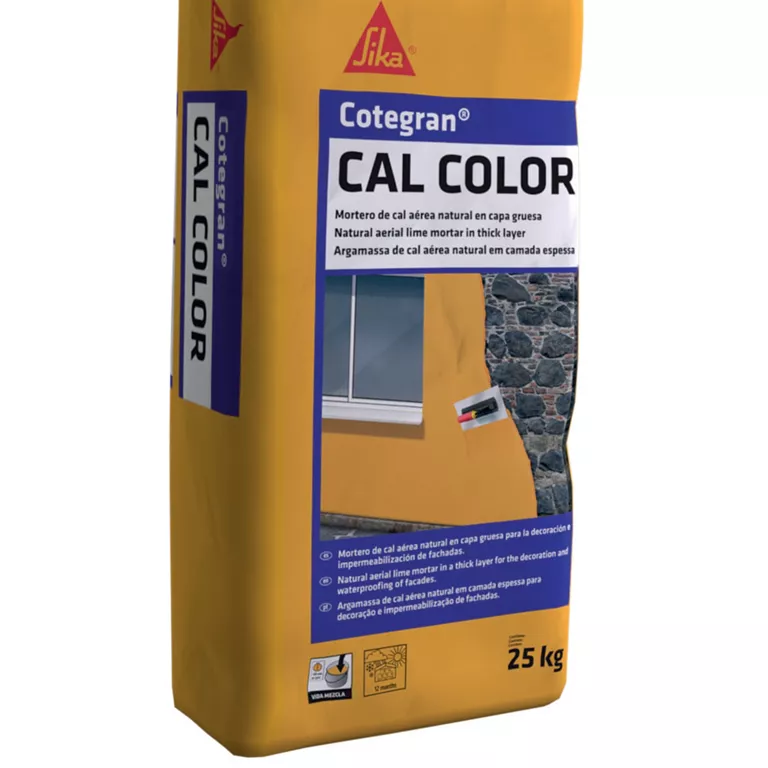
Sika
Natural air-lime mortar for coating, decorating, and waterproofing new or renovated facades.
View product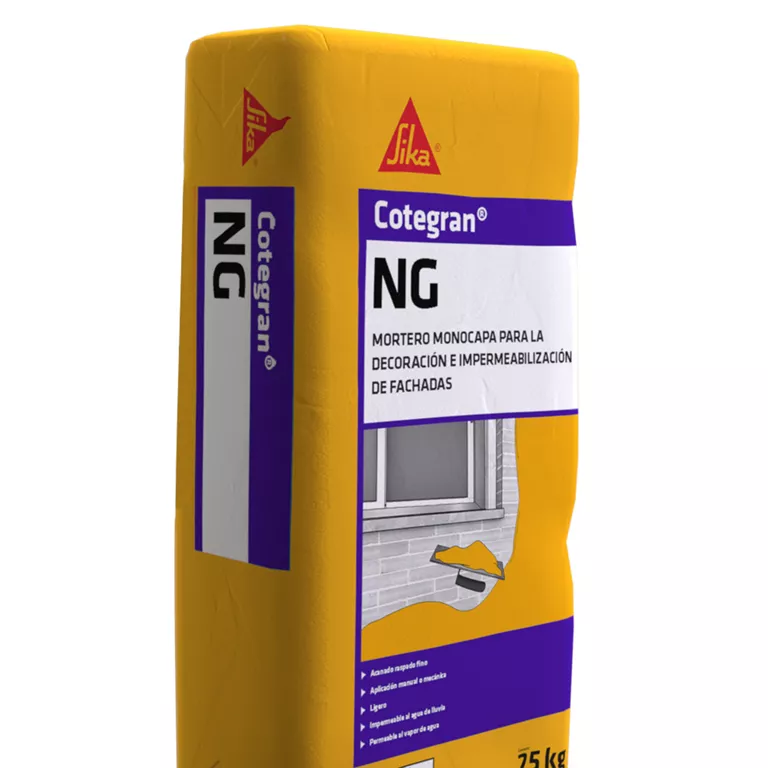
Sika
Single-coat mortar for decorating and waterproofing facades, providing a fine, uniform scraped finish.
View product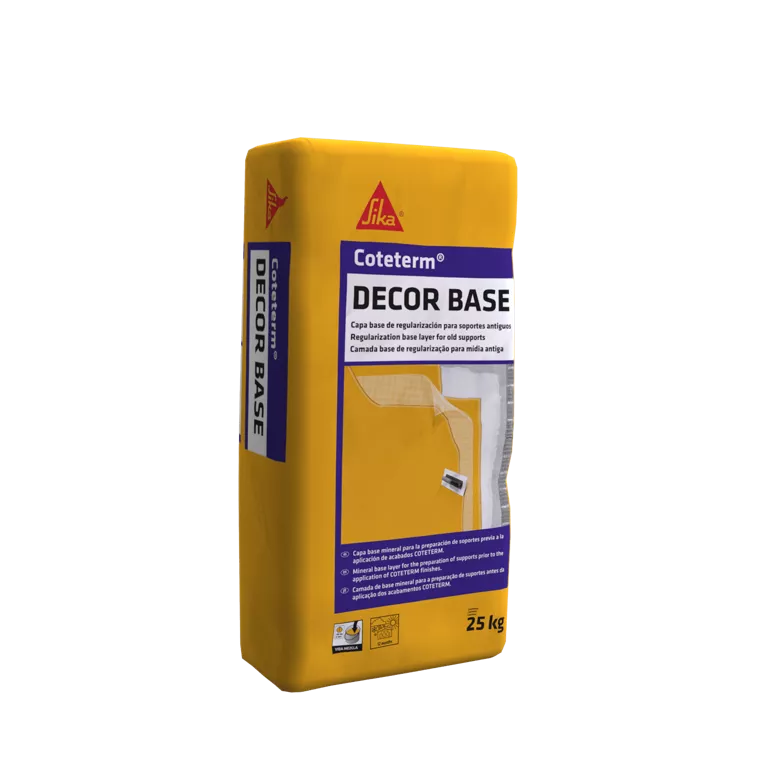
Sika
Thin-coat mortar for leveling painted surfaces before applying decorative finishes to facades.
View product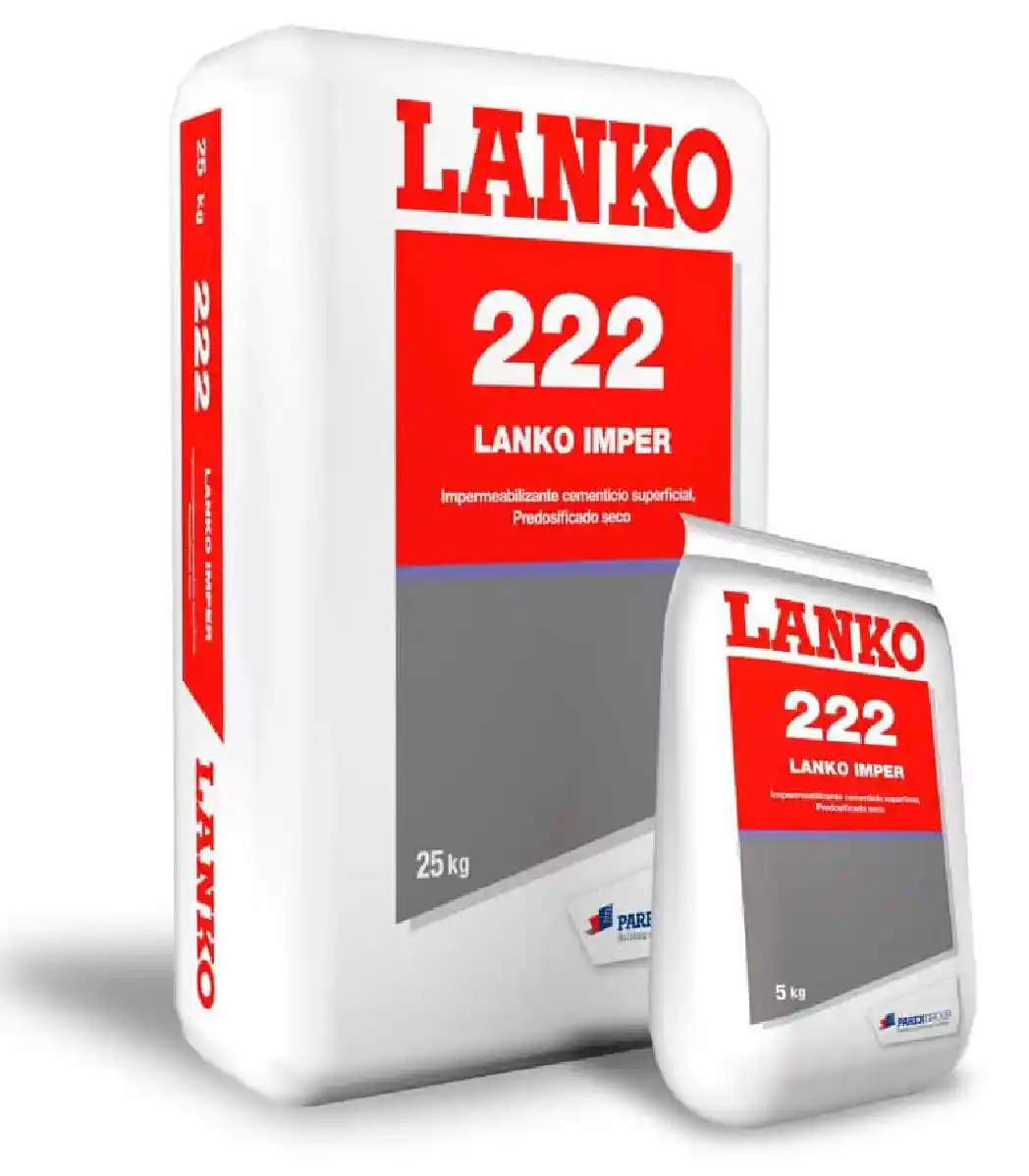
Sika
Single-component waterproofing mortar for protecting concrete and mortar indoors and outdoors.
View product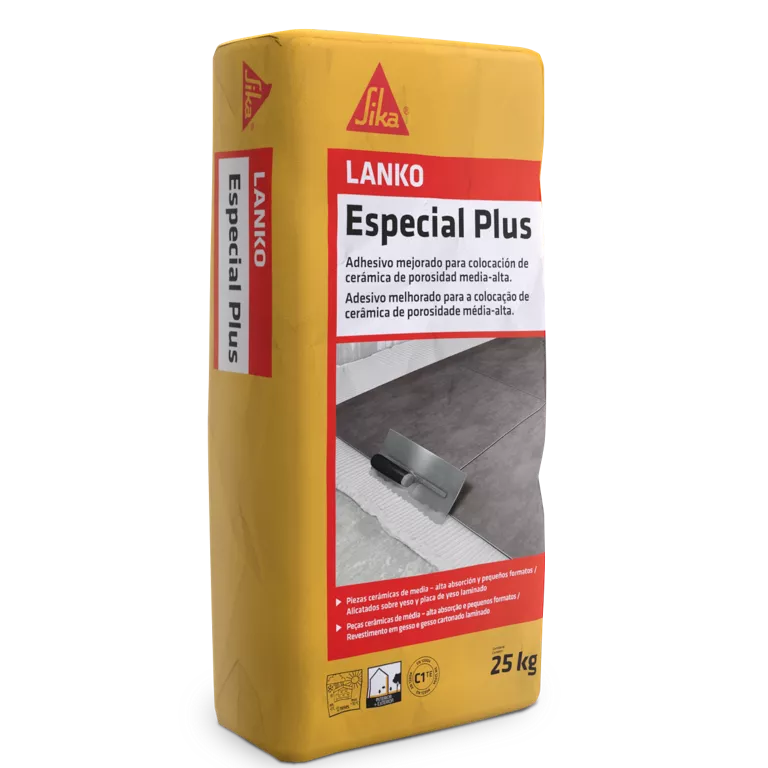
Sika
An easy-to-apply cementitious adhesive for installing medium- to high-absorption, small-format ceramic tiles.
View product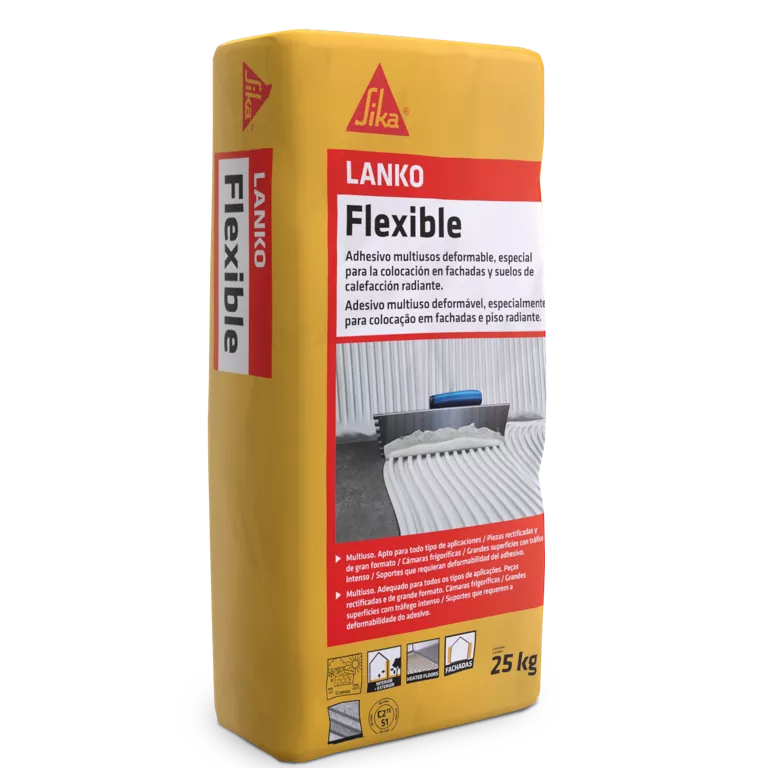
Sika
Flexible cement-based adhesive for installing all types of ceramic tiles on interior and exterior surfaces.
View product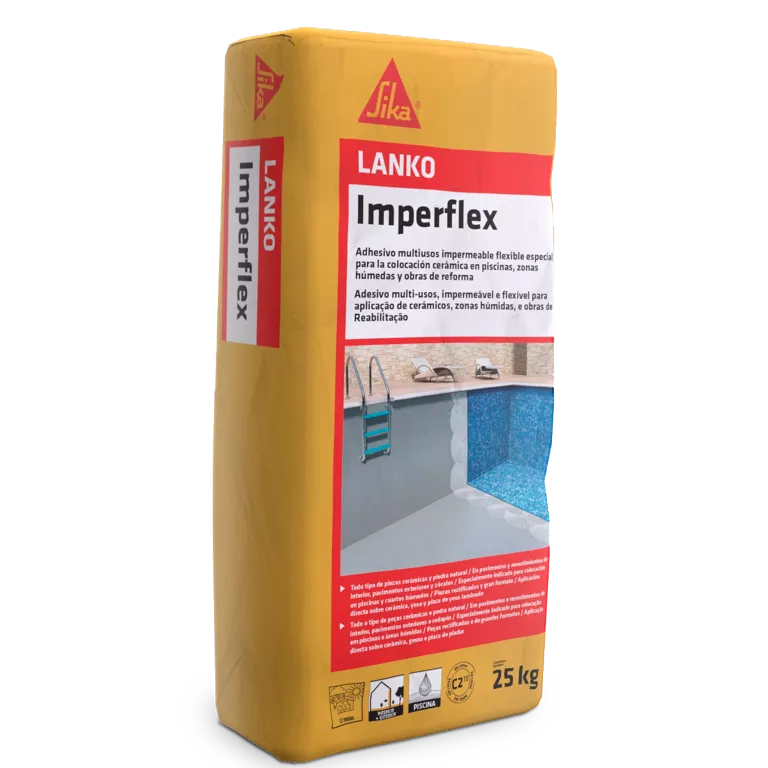
Sika
A flexible, waterproof cement-based adhesive for installing ceramic tiles in swimming pools, wet areas, and renovation projects.
View product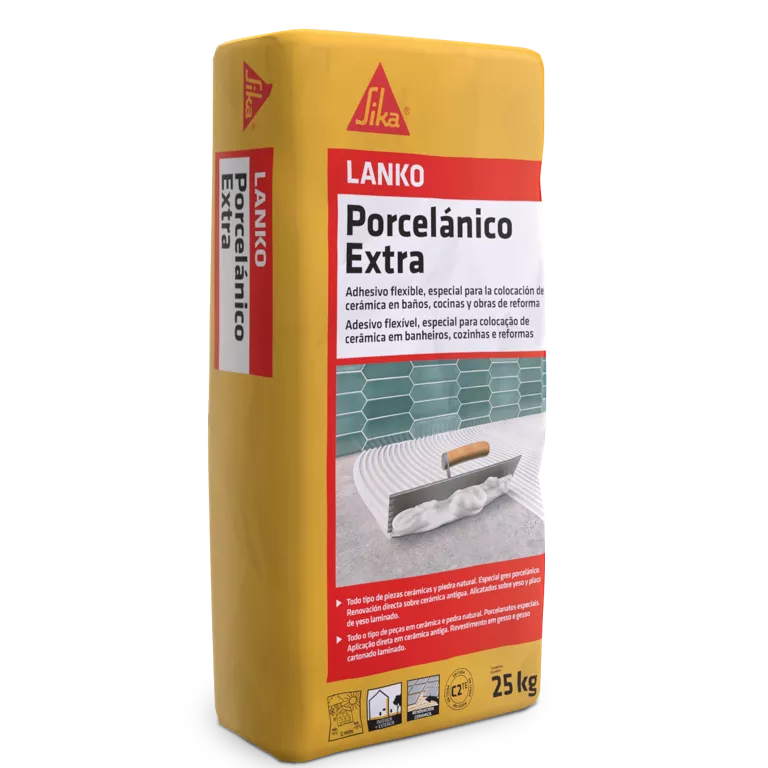
Sika
High-adhesion cementitious adhesive for installing porcelain and ceramic tiles indoors and outdoors.
View product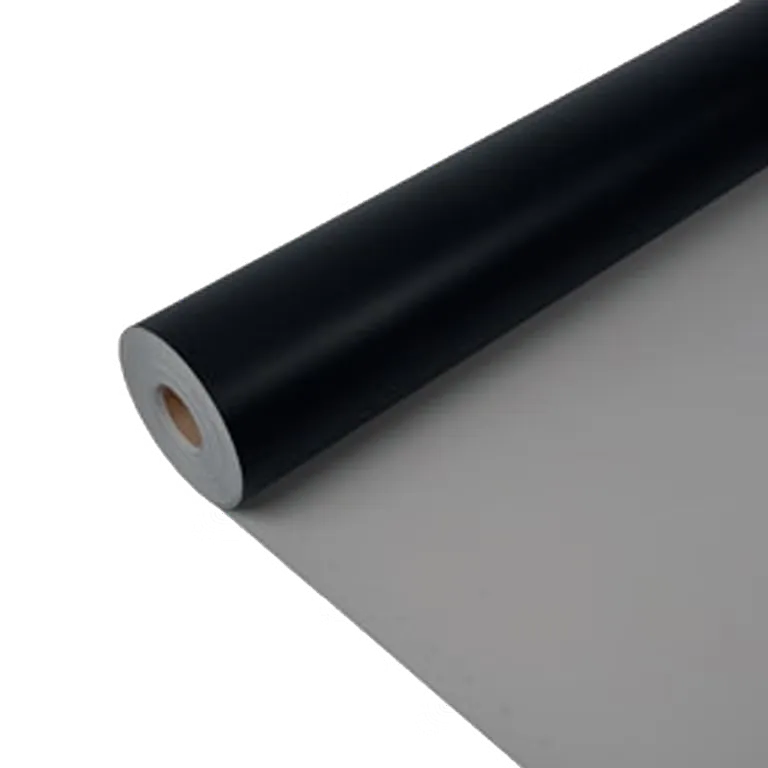
Sika
Stable and durable FPO membrane for protected, inverted, green, and heavy-duty roofs.
View product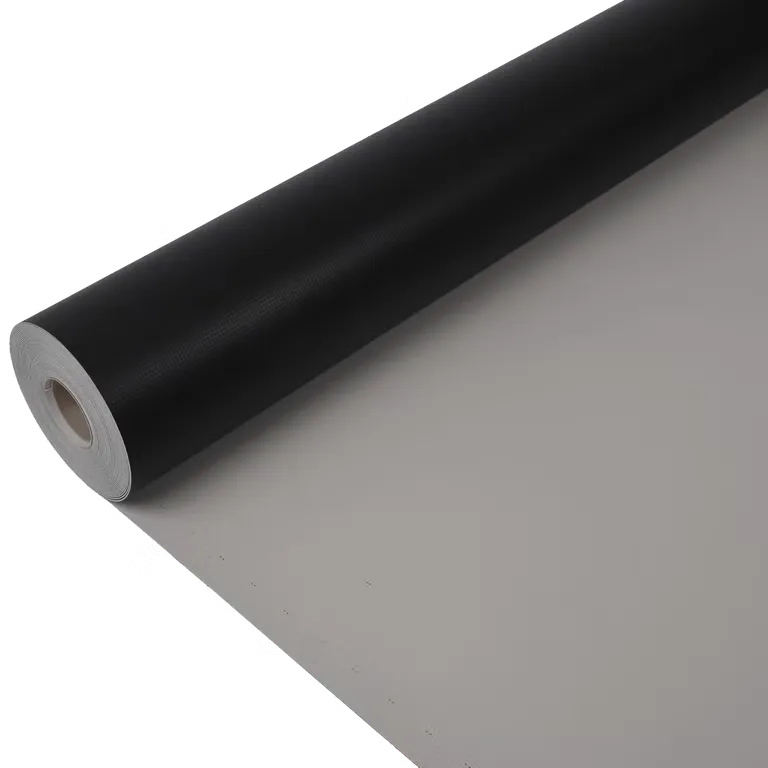
Sika
Reinforced FPO membrane for waterproofing exposed roofs using mechanical fastening systems.
View product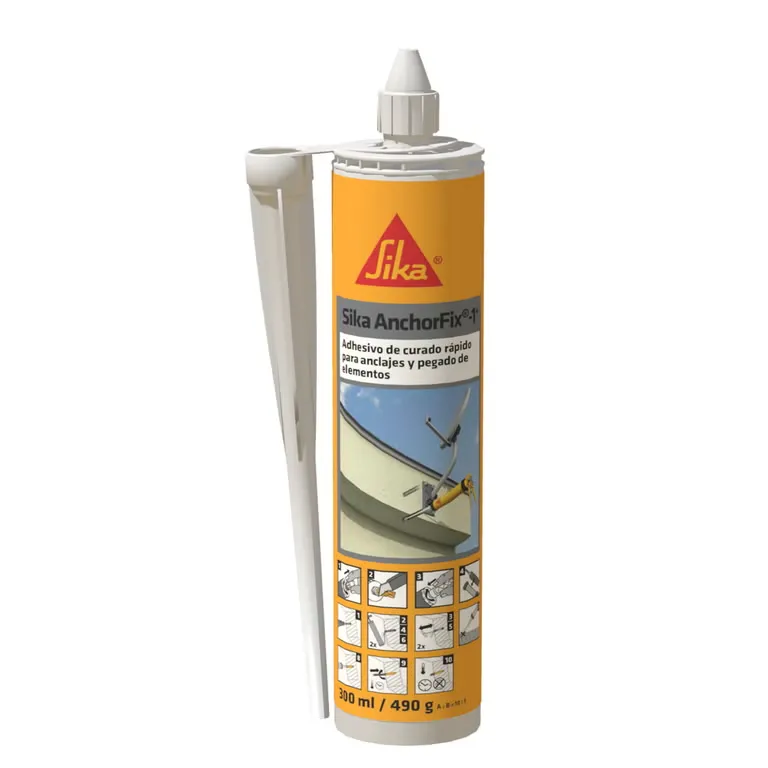
Sika
Fast-curing adhesive for standard anchoring applications in concrete, masonry, stone, and rock.
View productWarehouse opportunities
Limited-stock items at special prices, available while stocks last.
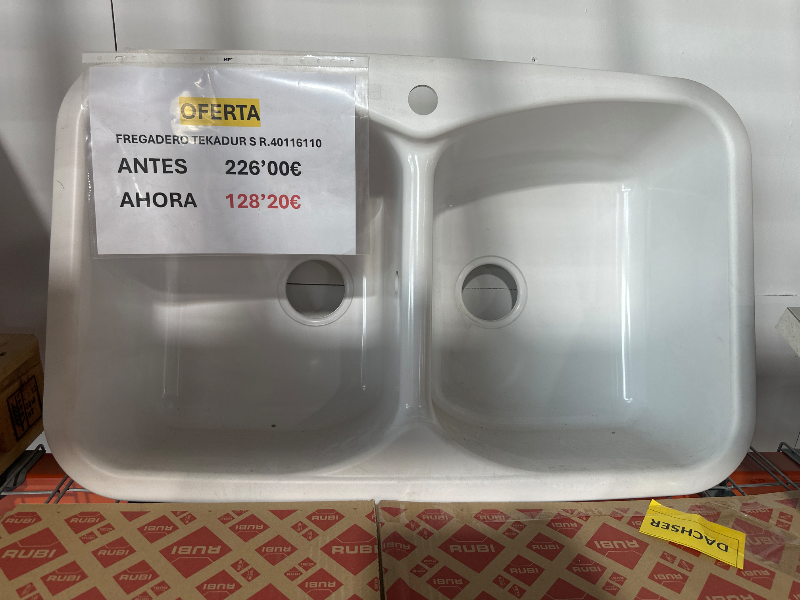
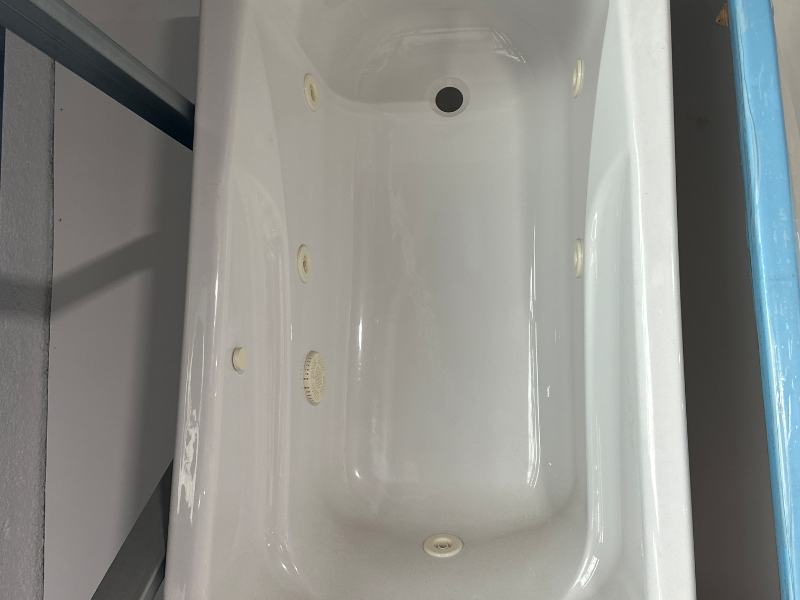
NILA ACRYLIC BATHTUB WITH HYDROMASSAGE, 140X70 BCA GALA
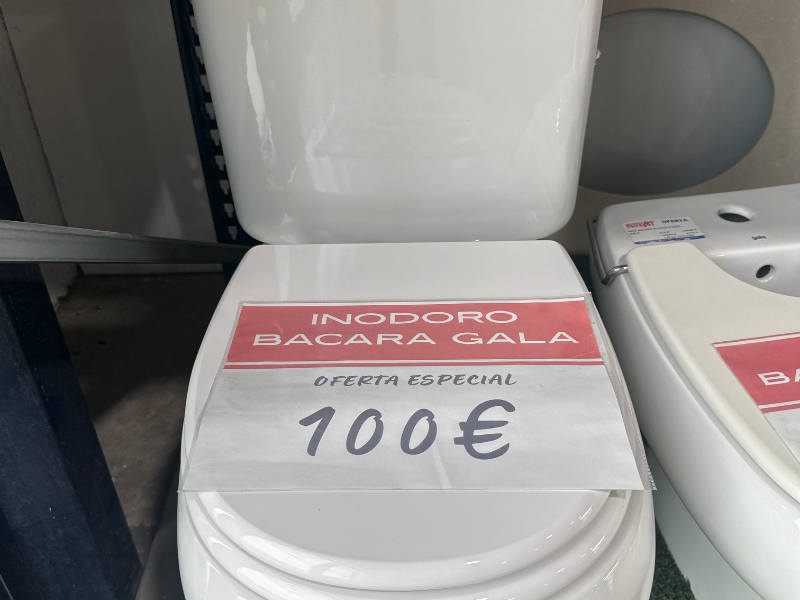
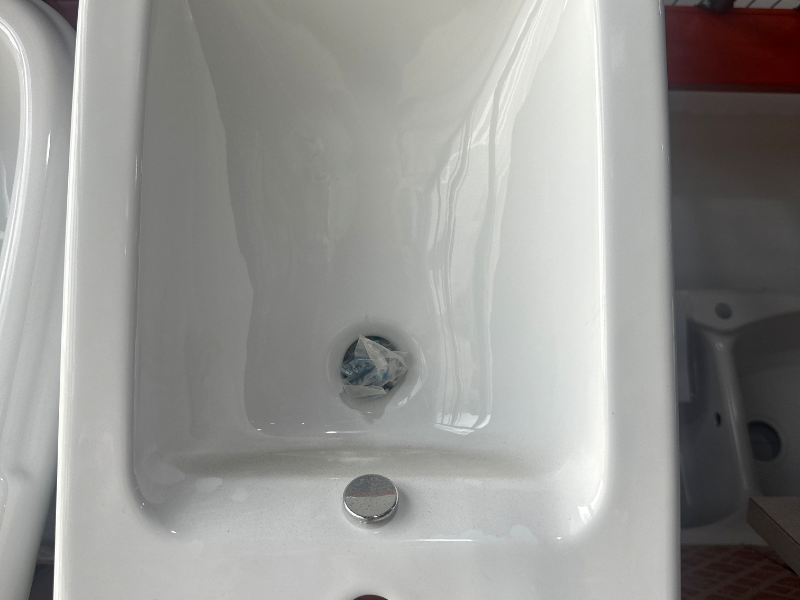
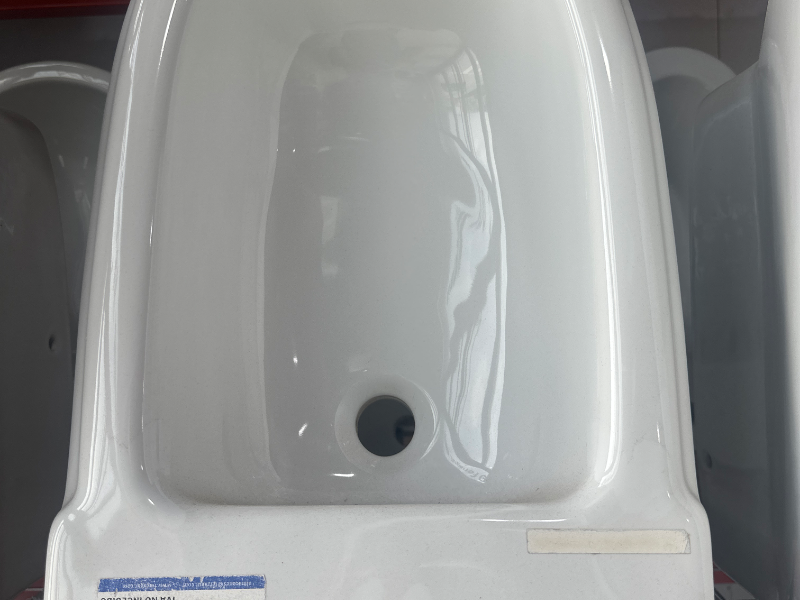
Choose with confidence
Our team can review the surface, intended use and alternatives with you before preparing the order.